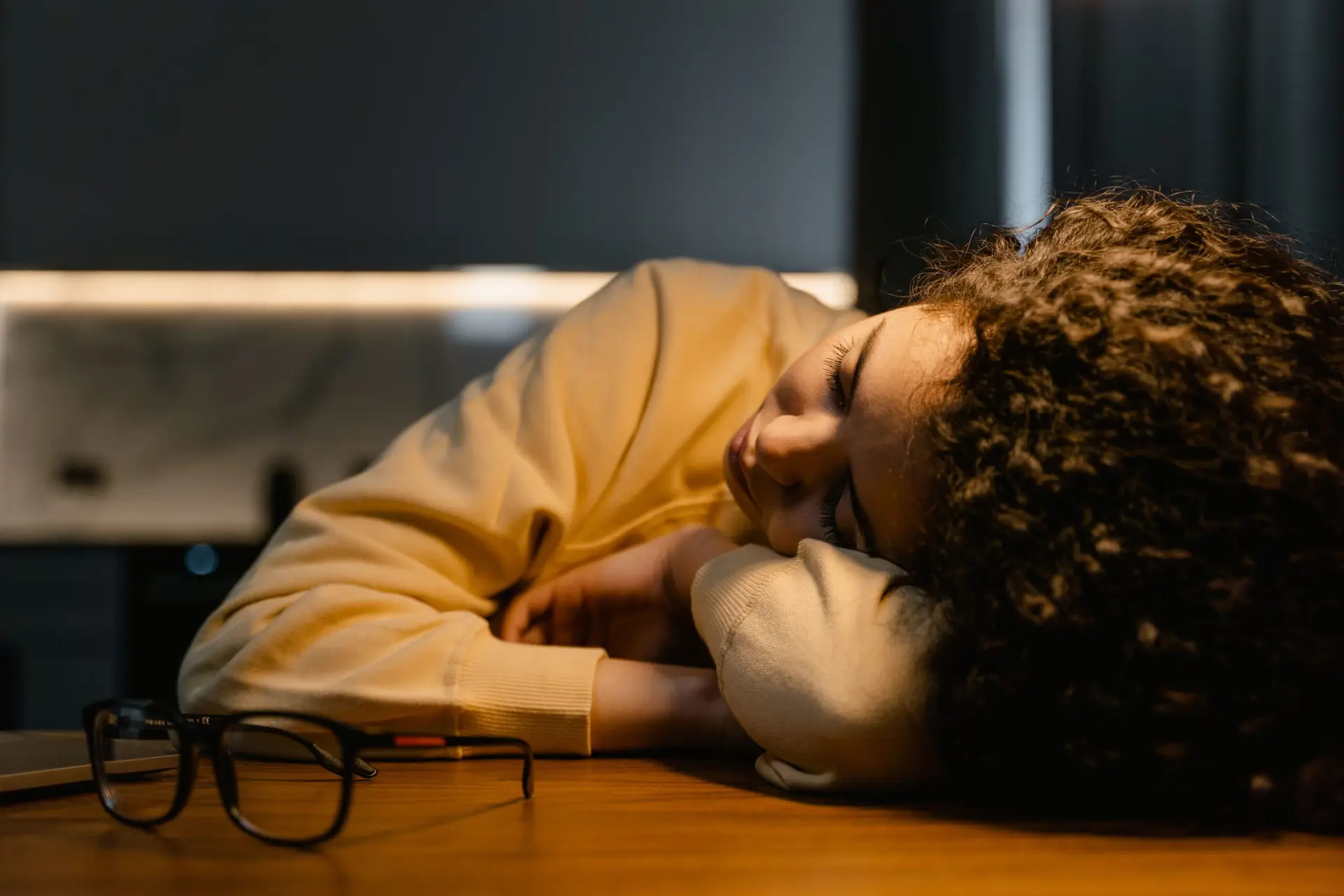
Dark Days, Low Vibes: Understanding Seasonal Affective Disorder
Do you notice yourself feeling more tired, sluggish, or down when fall begins, then feeling better again in the spring or summer? You may be experiencing symptoms of Seasonal Affective Disorder, a form of depression that follows a predictable seasonal pattern. SAD most commonly occurs during the fall and winter months when daylight is shorter.
What Is Seasonal Affective Disorder (SAD)?
Seasonal affective disorder is a form of depression that follows a predictable seasonal pattern, most commonly appearing in the fall and winter months when daylight is shorter. If you notice yourself feeling more tired, sluggish, or down when fall begins, then better again in spring or summer, you may be experiencing symptoms of SAD.
Reduced sunlight during these months is believed to disrupt the body’s internal clock (circadian rhythm) and alter levels of key brain chemicals, including melatonin, which regulates sleep, and serotonin, which affects mood. These changes can contribute to depressive symptoms such as:
- Low mood or feelings of hopelessnessLow energy and fatigue
- Sleeping more than usual
- Craving carbohydrates and gaining weight
- Withdrawing from others or losing interest in usual activities
SAD is sometimes dismissed as “winter blues,” but it can significantly affect your daily life, relationships, and work performance. The good news is that seasonal affective disorder is treatable, and effective options include light therapy, medication, and therapy.

When and Where SAD Occur
Onset
Symptoms typically begin in late fall or early winter and improve in spring or summer as daylight increases.
Age of Onset
SAD most commonly begins between ages 15 and 30, but it can appear earlier or later in life.
Geographic Influence
SAD is more prevalent in northern latitudes, where winter days are shorter and darker.
Rates begin to decline south of Columbia, South Carolina, where seasonal light changes are less dramatic.
SAD is rare in tropical or equatorial regions like southern Florida, where sunlight exposure is more consistent year-round.
Common Symptoms:
SAD shares many symptoms with major depressive disorder, but the timing and pattern are seasonal. Symptoms typically develop gradually as daylight decreases and are most intense during the winter months.
- Persistent sadness or low mood
- Constant fatigue or low energy despite adequate sleep
- Excessive sleeping (hypersomnia) and difficulty waking
- Increased appetite, especially for carbohydrates and sweets
- Weight gain
- Difficulty concentrating or making decisions
- Loss of interest in previously enjoyable activities
- Social withdrawal or “hibernation” behavior
What Causes SAD?
The exact cause of SAD is not fully understood, but several biological mechanisms are believed to be involved:
Reduced sunlight exposure disrupts the body’s circadian rhythm, leading to sleep disturbances and mood changes.
Melatonin imbalance: Decreased sunlight may increase melatonin production, leading to excessive drowsiness.
Reduced serotonin levels: Less sunlight may lower serotonin, a neurotransmitter involved in mood regulation, contributing to symptoms of depression.
Who Is at Risk?
You may be more likely to develop SAD if you have:
- A family history of depression or bipolar disorder
- A personal history of depression or other mood disorders
- A biological sex of female (women are diagnosed more frequently, although men may experience more severe symptoms)
- Residence in higher latitudes or regions with long, dark winters
How Is Seasonal Affective Disorder Diagnosed?
To be diagnosed with Seasonal Affective Disorder, the following criteria generally must be met:
- Symptoms meet the diagnostic criteria for major depressive disorder
- Depressive episodes occur during a specific season, typically fall or winter, for at least two consecutive years
- Symptoms improve or fully remit during the spring and summer
Treatment Options for SAD
SAD is a highly treatable condition. Several evidence-based strategies can significantly reduce symptoms and improve quality of life. Treatment may involve one or a combination of the following approaches:
Light Therapy (Phototherapy)
Light therapy is the first-line treatment for winter-pattern SAD. It involves sitting near a 10,000-lux light box every morning, ideally within an hour of waking.
Sessions typically last 30 to 60 minutes
The light mimics natural outdoor light, helping reset circadian rhythms and boost mood
Most individuals notice improvement within a few days to a few weeks
A clinically tested, properly sized light box is essential (see our related blog post on Light Therapy for recommended light box models
Vitamin D Supplementation
Vitamin D levels are often low during the winter months, especially in individuals with SAD.
A blood test can determine your vitamin D level
Supplementation may support mood, especially when combined with other treatments
Although evidence is mixed on its use as a standalone treatment, it is a reasonable adjunct for those with low levels
Antidepressant Medications
For more moderate to severe symptoms, antidepressants may be recommended.
Bupropion has an FDA approval for the treatment of SAD
Other antidepressants, such as sertraline or fluoxetine have shown effectiveness in treating SAD
Medications may be beneficial for individuals with a history of major depressive disorder or those who do not respond to light therapy alone
Cognitive Behavioral Therapy (CBT)
A form of CBT specifically adapted for SAD: CBT-SAD focuses on the thoughts and behaviors that contribute to seasonal depression.
Helps individuals identify and reframe negative thinking patterns
Teaches coping skills for managing seasonal changes
Research indicates that CBT-SAD can be as effective as light therapy, with longer-lasting results for some patients
Lifestyle and Behavioral Strategies
Simple daily routines can help minimize symptoms and support recovery
Spend time outdoors, especially in the morning even on cloudy days
Engage in regular physical activity, which supports mood regulation through increased serotonin and endorphin levels
Maintain a consistent sleep wake schedule, including weekends
Increase indoor light exposure by opening blinds, sitting near windows, and using daylight spectrum bulbs
Dawn Simulators
Dawn simulators are specialized alarm clocks that gradually increase light intensity to mimic a natural sunrise.
Can help regulate circadian rhythms
May be especially helpful for people with severe morning grogginess or difficulty waking during dark winter mornings
Other Seasonal Patterns: Summer-Pattern SAD
While winter-pattern SAD is the most common form, some individuals experience depression in the spring or summer. This is known as summer-pattern SAD, and it affects an estimated 10% of people with SAD.
Symptoms of Summer SAD
- Insomnia or disrupted sleep
- Decreased appetite, sometimes leading to weight loss
- Agitation, irritability, or restlessness
- Anxiety or increased emotional sensitivity
Although its causes are less well understood, summer SAD is a clinically recognized and impairing subtype of seasonal depression. Accurate diagnosis is important, especially since symptoms may resemble those of other mood or anxiety disorders.
Prognosis: What to Expect With SAD
With appropriate treatment and self-care, most individuals with Seasonal Affective Disorder can successfully manage their symptoms and lead fulfilling lives throughout the year. Recognizing early warning signs, beginning treatment before symptoms worsen, and working closely with your healthcare provider can significantly improve outcomes.
When to See a Provider for Seasonal Depression
If you believe you may be experiencing symptoms of Seasonal Affective Disorder, talk to your healthcare provider or contact us for further evaluation and treatment. Early diagnosis and treatment can significantly improve your symptoms and help maintain year-round mental wellness.